Embark on a journey into the world of digital profit-sharing businesses with this insightful guide. From market research to revenue-sharing models, we delve into the key aspects that can make or break your venture in this competitive landscape.
Overview of Digital Profit-Sharing Business

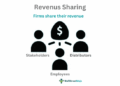
A digital profit-sharing business is a business model where the profits generated are shared among all the stakeholders, including employees, customers, and investors. This innovative approach aims to create a more inclusive and collaborative environment where everyone involved in the business can benefit from its success.
Examples of Successful Digital Profit-Sharing Business Models
- Patagonia: The outdoor clothing company shares a portion of its profits with environmental organizations, engaging customers in its sustainability efforts.
- Buffer: The social media management platform is known for its transparent profit-sharing model, where employees receive a salary based on company profits.
- WinCo Foods: This employee-owned grocery store chain shares its profits with its employees through an employee stock ownership plan (ESOP).
Key Benefits of Launching a Digital Profit-Sharing Business
- Improved Employee Morale: By sharing profits with employees, businesses can boost morale, motivation, and loyalty among their workforce.
- Enhanced Customer Engagement: Involving customers in profit-sharing initiatives can increase brand loyalty and create a strong sense of community.
- Increased Investor Confidence: Profit-sharing can attract investors who are aligned with the business's values and goals, leading to long-term financial stability.
Market Research and Analysis
Before launching a digital profit-sharing business, conducting thorough market research is crucial to understand the landscape, identify opportunities, and mitigate risks. Market research provides valuable insights into consumer behavior, preferences, trends, and competition, enabling businesses to make informed decisions and tailor their strategies for success.
Identifying Target Markets and Audience Segments
Market research helps in identifying target markets and audience segments that are most likely to engage with the digital profit-sharing business. Strategies for identifying these segments include analyzing demographic data, psychographic characteristics, online behavior, and purchasing patterns. By understanding the needs and preferences of different market segments, businesses can customize their offerings and marketing messages to resonate with their target audience effectively.
- Utilize online surveys, focus groups, and interviews to gather insights directly from potential customers.
- Analyze social media trends, s, and engagement metrics to understand audience interests and preferences.
- Segment the market based on factors such as age, gender, income level, geographic location, and psychographic traits.
- Use data analytics tools to track website traffic, conversion rates, and customer interactions to refine audience segmentation strategies.
Competitor Analysis in the Digital Profit-Sharing Space
Analyzing competitors in the digital profit-sharing space is essential to identify strengths, weaknesses, opportunities, and threats that can impact the business's performance. By studying competitors' business models, pricing strategies, product offerings, and marketing tactics, businesses can gain valuable insights to differentiate themselves and carve out a unique position in the market.
- Conduct a SWOT analysis (Strengths, Weaknesses, Opportunities, Threats) to assess the competitive landscape.
- Monitor competitors' online presence, customer reviews, and social media engagement to identify areas for improvement.
- Benchmark key performance indicators (KPIs) against industry peers to set realistic goals and benchmarks for success.
- Stay updated on market trends, new entrants, and disruptive technologies that could impact the competitive dynamics of the digital profit-sharing industry.
Legal and Regulatory Considerations
When launching a digital profit-sharing business, it is crucial to adhere to the legal requirements and regulatory compliance to ensure smooth operations and avoid any potential legal issues. Additionally, protecting intellectual property and establishing licensing agreements are important aspects to consider in this business model.
Legal Requirements
- Registering the business entity: Choose the appropriate legal structure for your digital profit-sharing business and register it with the relevant authorities.
- Tax compliance: Understand the tax obligations associated with profit-sharing models and ensure compliance with tax laws.
- Employment laws: Familiarize yourself with labor laws and regulations to ensure fair treatment of employees participating in profit-sharing.
Regulatory Compliance
- Securities regulations: Depending on the structure of your profit-sharing model, you may need to comply with securities regulations to avoid legal implications.
- Data protection laws: Given the digital nature of the business, ensure compliance with data protection regulations to safeguard sensitive information shared among stakeholders.
- Consumer protection laws: Protect the rights of consumers involved in profit-sharing agreements by adhering to consumer protection laws.
Intellectual Property Protection and Licensing Agreements
- Trademark registration: Protect your brand identity by registering trademarks for your digital profit-sharing business.
- Copyright protection: Safeguard original content, software, or creative works through copyright protection to prevent unauthorized use.
- Licensing agreements: Establish clear licensing agreements with stakeholders to define the terms of profit-sharing and intellectual property rights.
Technology and Platform Selection
When launching a digital profit-sharing business, selecting the right technology and platform is crucial for its success. It can impact the scalability, security, and overall user experience of your platform.
Comparison of Digital Platforms
Before choosing a platform for hosting your profit-sharing business, it's important to compare different options available in the market. Consider factors like ease of use, customization options, scalability, and security features.
- Shopify: Known for its user-friendly interface and extensive app store, Shopify is a popular choice for e-commerce businesses looking to implement profit-sharing models.
- WooCommerce: If you prefer more customization options and have a WordPress website, WooCommerce can be a suitable platform for integrating profit-sharing features.
- Magento: For larger businesses with complex needs, Magento offers robust features for scalability and customization, making it a viable option for profit-sharing ventures.
Importance of Choosing the Right Technology Stack
Choosing the right technology stack is essential for the long-term success of your profit-sharing business. It involves selecting the appropriate programming languages, frameworks, and tools to ensure scalability, performance, and security.
By opting for a scalable technology stack, you can easily adapt to the growing demands of your business and user base.
Integrating Payment Gateways and Secure Transaction Processing
Integrating payment gateways and ensuring secure transaction processing is critical for any profit-sharing business. It builds trust with users and protects sensitive financial information.
- Choose reputable payment gateways like PayPal, Stripe, or Square to provide users with various payment options.
- Implement SSL encryption and adhere to PCI DSS compliance standards to secure transactions and protect user data.
- Regularly update your security measures and conduct audits to identify and address any vulnerabilities.
Revenue Sharing Models
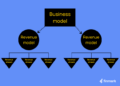
Revenue sharing models are essential components of digital profit-sharing businesses as they determine how profits are distributed among stakeholders. By exploring various revenue-sharing models, businesses can design a structure that aligns with their goals and objectives, ultimately impacting their sustainability and growth.
Types of Revenue Sharing Models
- Percentage-Based Model: In this model, profits are distributed based on a predetermined percentage allocated to each stakeholder. This ensures a fair distribution of profits according to each party's contribution or investment.
- Tiered Revenue Sharing Model: This model involves different tiers or levels of profit-sharing based on performance or achievement of specific milestones. Stakeholders can move up tiers to earn a higher share of profits.
- Subscription-Based Model: In this model, profits are shared based on subscription fees paid by users. The revenue generated from subscriptions is distributed among stakeholders according to a predefined formula.
Designing a Revenue-Sharing Structure
- Identify Key Stakeholders: Determine the key players involved in revenue generation and distribution, such as investors, employees, and partners.
- Set Clear Objectives: Establish clear goals and objectives for revenue sharing to ensure alignment with the overall business strategy.
- Create Transparency: Maintain transparency in the revenue-sharing process to build trust among stakeholders and foster long-term relationships.
Impact of Revenue Sharing on Business Sustainability and Growth
- Enhanced Motivation: Revenue sharing can motivate stakeholders to work towards common goals, leading to improved performance and productivity.
- Long-Term Partnerships: Fair and transparent revenue-sharing models can help in building long-term partnerships with stakeholders, contributing to business sustainability.
- Financial Stability: By sharing profits effectively, businesses can achieve financial stability and secure resources for future growth and expansion.
Marketing and User Acquisition Strategies
Developing a solid marketing plan is crucial for the success of a digital profit-sharing business. It involves identifying effective user acquisition channels and strategies to attract users to the platform. Content marketing and social media play a significant role in engaging and bringing in users, ultimately boosting revenue and profitability.
User Acquisition Channels
- Search Engine Optimization (): Optimizing website content to rank higher in search engine results and attract organic traffic.
- Pay-Per-Click (PPC) Advertising: Running targeted ads on search engines and social media platforms to drive traffic to the website.
- Social Media Marketing: Leveraging platforms like Facebook, Instagram, and Twitter to engage with users and promote the business.
- Email Marketing: Sending personalized emails to potential users to encourage sign-ups and participation.
Content Marketing Strategy
- Create high-quality, relevant content that provides value to users and showcases the benefits of the profit-sharing model.
- Distribute content through various channels such as blogs, social media, and email newsletters to reach a wider audience.
- Utilize storytelling and visual elements to make the content more engaging and shareable.
Social Media Engagement
- Regularly post updates, news, and promotions on social media platforms to keep users informed and engaged.
- Interact with users through comments, messages, and live sessions to build a community around the business.
- Collaborate with influencers and brand ambassadors to reach a larger audience and increase brand awareness.
Community Building and Engagement
Building a strong and engaged community is crucial for the success of a digital profit-sharing business. It involves creating a sense of belonging, fostering communication, and encouraging active participation from users. This not only drives user retention but also attracts new members to the platform.
Methods for Building an Engaged Community
- Regularly communicate with users through newsletters, social media, and in-app notifications to keep them informed about updates and opportunities.
- Create interactive forums or discussion boards where users can share their thoughts, ideas, and feedback.
- Organize virtual events, webinars, or workshops to connect with the community and provide valuable insights or training.
Importance of Fostering Transparency and Trust
Transparency and trust are the foundation of a successful community engagement strategy. By being open and honest with users about how the profit-sharing model works, where the revenue comes from, and how it is distributed, you can build credibility and loyalty among community members.
This, in turn, leads to higher engagement levels and a more sustainable business model.
Examples of Successful Community Engagement Initiatives
-
Reddit's "Ask Me Anything" (AMA) sessions
have become a popular way for users to interact with celebrities, experts, and influencers, fostering a sense of community and engagement.
-
Patreon's creator workshops and meetups
provide a platform for artists and content creators to connect with their supporters, creating a strong community around the shared goal of supporting creative work.
-
Kickstarter's backer updates and project comments
allow project creators to engage directly with backers, providing transparency on the progress of a project and building trust within the community.
Final Summary
In conclusion, mastering the best practices for launching a digital profit-sharing business is crucial for long-term success. By implementing the strategies discussed, you can pave the way for sustainable growth and profitability in this ever-evolving digital realm.
FAQ Resource
What are the legal requirements for launching a digital profit-sharing business?
Legal requirements may vary depending on your location, but generally, you will need to register your business, comply with tax regulations, and potentially obtain licenses or permits.
How can I identify target markets and audience segments for my digital profit-sharing business?
Conduct thorough market research to understand customer needs, preferences, and demographics. Utilize tools like surveys, analytics, and social media insights for better targeting.
What impact does revenue sharing have on business sustainability and growth?
Implementing a well-designed revenue-sharing model can incentivize stakeholders, drive performance, and foster long-term partnerships, ultimately contributing to business sustainability and growth.