As How blockchain is transforming digital revenue sharing takes center stage, this opening passage beckons readers into a world crafted with good knowledge, ensuring a reading experience that is both absorbing and distinctly original. Blockchain technology is revolutionizing how digital revenue sharing operates, offering secure and transparent solutions that are reshaping various industries.
How Blockchain Impacts Digital Revenue Sharing
Blockchain technology has been transforming digital revenue sharing by introducing secure, transparent, and decentralized processes. By leveraging blockchain, various industries have revolutionized how revenue is distributed among stakeholders, ensuring trust and efficiency in transactions.
Examples of Industries Utilizing Blockchain for Revenue Sharing
- Music Industry: Blockchain enables artists to receive direct payments for their work without the need for intermediaries, ensuring fair compensation and transparency in revenue sharing.
- Supply Chain Management: Companies use blockchain to track products throughout the supply chain, ensuring accurate revenue sharing based on the contributions of each party involved.
- Publishing Industry: Authors can receive royalties instantly through smart contracts on blockchain platforms, eliminating delays and ensuring fair revenue distribution.
Advantages of Using Blockchain for Revenue Sharing
- Transparency: Blockchain provides a transparent and immutable ledger of transactions, ensuring that all parties have visibility into revenue sharing processes.
- Security: The decentralized nature of blockchain ensures that data is secure and protected from tampering or fraud, enhancing trust among stakeholders.
- Efficiency: Smart contracts on blockchain automate revenue sharing processes, reducing the need for manual intervention and streamlining transactions for faster payouts.
Smart Contracts in Revenue Sharing

Smart contracts play a crucial role in transforming digital revenue sharing by automating and enforcing agreements between parties involved in revenue sharing processes. These self-executing contracts are coded with predefined rules and conditions, ensuring transparency, efficiency, and trust in revenue distribution.
Streamlining Revenue Sharing Processes
Smart contracts streamline revenue sharing processes by automatically executing transactions once predefined conditions are met. This eliminates the need for intermediaries and reduces the risk of errors or disputes. Participants can track revenue in real-time, ensuring accurate and timely distribution without delays or human intervention.
Minimizing Disputes
Smart contracts minimize disputes by providing a tamper-proof and immutable record of transactions. Since all terms and conditions are encoded in the contract, there is no room for misinterpretation or manipulation. This transparency and trust in the system reduce the likelihood of disagreements and ensure fair revenue sharing among stakeholders.
Comparison with Traditional Methods
- Traditional revenue sharing methods often involve manual processes, leading to delays, errors, and disputes. Smart contracts automate these processes, ensuring efficiency and accuracy.
- In traditional methods, intermediaries are required to oversee revenue sharing agreements, increasing costs and complexity. Smart contracts eliminate the need for intermediaries, reducing expenses and streamlining operations.
- Smart contracts offer real-time tracking and instant execution of revenue sharing transactions, providing transparency and trust among participants. Traditional methods may lack this level of transparency and immediacy.
Decentralization and Transparency
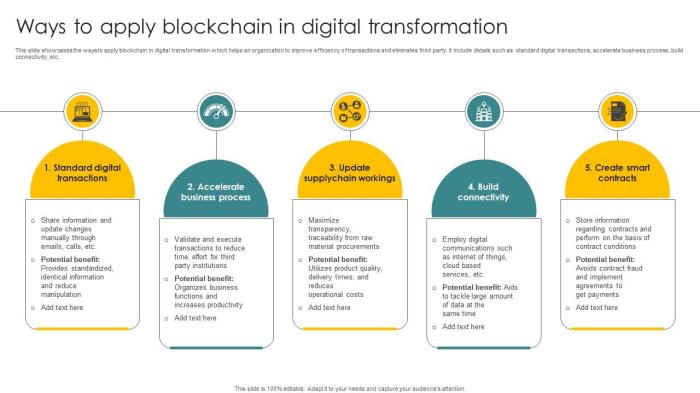
Decentralization and transparency are two key aspects that blockchain technology brings to digital revenue sharing models. Let's explore how blockchain enables decentralization in revenue sharing and ensures transparency in the process.
Decentralization in Revenue Sharing Models
- Blockchain technology allows for peer-to-peer transactions without the need for intermediaries, such as banks or third-party platforms. This eliminates the centralized control typically found in traditional revenue sharing models.
- By using decentralized networks, revenue sharing can be executed directly between content creators and consumers, ensuring a more efficient and cost-effective distribution of earnings.
- Smart contracts on the blockchain automate revenue sharing agreements, ensuring that payments are distributed fairly and transparently based on predefined conditions.
Importance of Transparency in Revenue Sharing
- Transparency is crucial for building trust among participants in revenue sharing models. It allows all parties involved to verify transactions and ensure that revenue is distributed accurately and fairly.
- Blockchain technology provides a transparent and immutable ledger of all transactions, making it easy to track the flow of revenue and identify any discrepancies.
- With transparent revenue sharing enabled by blockchain, content creators can have more confidence in the accuracy of their earnings and consumers can trust that their payments are reaching the intended recipients.
Examples of Blockchain Platforms Promoting Transparent Revenue Sharing
- Steemit: A social media platform built on blockchain that rewards content creators based on the popularity of their posts. The transparent nature of the platform ensures fair revenue distribution.
- Musicoin: A music streaming platform that uses blockchain to enable direct payments from listeners to artists. Smart contracts ensure transparent revenue sharing without the need for intermediaries.
- AdEx: An advertising platform that leverages blockchain to create transparent and efficient revenue sharing between advertisers, publishers, and users. Smart contracts automate payment processes and ensure trust among all parties.
Tokenization of Assets for Revenue Sharing
Tokenization of assets refers to the process of converting real-world assets into digital tokens on a blockchain. This innovation has significant implications for digital revenue sharing by allowing assets to be divided into smaller, more manageable units that can be easily traded and transferred.
Fractional Ownership and Liquidity
Tokenization enables fractional ownership, meaning that investors can purchase a small percentage of an asset rather than having to buy the entire asset. This democratizes access to investments, allowing a larger pool of individuals to participate in revenue-sharing opportunities. Additionally, tokenization improves liquidity by allowing assets to be bought and sold more easily, as tokens can be traded on secondary markets.
- Fractional ownership through tokenization allows investors to diversify their portfolios by investing in a range of assets, including high-value ones that were previously inaccessible.
- Enhanced liquidity means that investors can exit their positions more quickly, reducing the risk associated with illiquid assets and providing greater flexibility in managing investments.
- Tokenization also reduces the barriers to entry for investors, as they can invest smaller amounts in a wider range of assets, leading to a more inclusive and diverse investment landscape.
Challenges and Opportunities
Tokenizing assets for revenue sharing comes with its own set of challenges and opportunities. While tokenization offers benefits such as increased liquidity and accessibility, there are also risks and regulatory considerations that need to be addressed.
- One of the challenges of tokenizing assets is ensuring compliance with regulatory requirements, as different jurisdictions have varying rules governing the issuance and trading of tokens.
- There is also the risk of fraud and security breaches associated with tokenized assets, as they can be vulnerable to hacking and other cyber threats.
- However, opportunities abound in the tokenization space, with potential for increased efficiency, transparency, and automation in revenue-sharing processes through smart contracts and blockchain technology.
Summary
In conclusion, the impact of blockchain on digital revenue sharing is profound, paving the way for decentralized, transparent, and efficient processes. Embracing smart contracts, decentralization, and tokenization, blockchain is transforming revenue sharing as we know it, opening up a new realm of possibilities for businesses and individuals alike.
Clarifying Questions
How does blockchain ensure transparency in revenue sharing?
Blockchain ensures transparency through its decentralized nature, where all transactions are recorded on a public ledger that is immutable and accessible to all participants.
What are the advantages of using smart contracts in revenue sharing?
Smart contracts automate processes, minimize disputes, and ensure that revenue sharing agreements are executed exactly as programmed, increasing efficiency and trust among parties.
What challenges are associated with tokenizing assets for revenue sharing?
Challenges include regulatory concerns, potential security risks, and the need for educating stakeholders on the benefits and risks of tokenization in revenue sharing.