Delving into Digital tax implications of revenue-sharing platforms, this introduction immerses readers in a unique and compelling narrative, with a tone that is both engaging and thought-provoking from the very first sentence.
This discussion will shed light on the impact of digital taxes on businesses utilizing revenue-sharing platforms, exploring key aspects such as international tax laws, compliance requirements, and strategies for mitigating tax implications.
Overview of Digital Tax Implications
In the realm of revenue-sharing platforms, digital tax implications refer to the taxes and regulations that businesses and individuals need to adhere to when generating income through online platforms that facilitate revenue sharing.Revenue-sharing platforms such as Airbnb, Uber, and Etsy are prime examples of platforms that are impacted by digital taxes.
These platforms allow users to earn money by renting out their properties, providing transportation services, or selling handmade goods online, respectively. As such, they fall under the purview of digital tax laws and regulations.Understanding digital tax implications is crucial for businesses utilizing these platforms as it ensures compliance with tax laws, prevents potential penalties or fines, and helps in accurately calculating tax liabilities.
By being aware of the tax obligations associated with revenue-sharing platforms, businesses can effectively manage their finances and avoid any legal issues that may arise.
Significance of Digital Tax Compliance
- Compliance with digital tax laws helps businesses avoid penalties and fines.
- Understanding tax implications allows for accurate financial planning and budgeting.
- Ensuring compliance with tax regulations builds trust with authorities and enhances business reputation.
- Proper tax compliance contributes to a stable and sustainable business environment.
International Tax Laws and Regulations
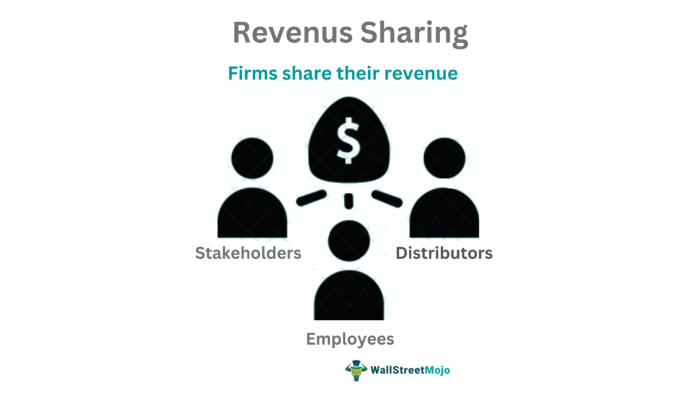
International tax laws play a crucial role in governing revenue-sharing platforms and their digital tax implications. These laws impact how businesses operating globally are taxed on their revenue generated through these platforms. Compliance with international tax regulations is essential to avoid penalties and ensure smooth operations in different jurisdictions.
Key Regulations Governing Digital Tax Implications Globally
- OECD Guidelines: The Organization for Economic Co-operation and Development (OECD) provides guidelines for international taxation, including the taxation of digital services and cross-border transactions.
- BEPS Actions: Base Erosion and Profit Shifting (BEPS) actions aim to prevent tax avoidance strategies used by multinational companies, including those operating through revenue-sharing platforms.
- Digital Services Taxes: Some countries have introduced digital services taxes to ensure that digital businesses contribute their fair share of taxes in jurisdictions where they operate.
Challenges in Complying with Different International Tax Laws
- Complexity: The complexity of international tax laws can make it challenging for businesses to understand and comply with regulations in multiple countries.
- Double Taxation: Businesses operating globally may face the risk of double taxation, where the same income is taxed in more than one jurisdiction.
- Changing Regulations: The landscape of international tax laws is constantly evolving, requiring businesses to stay updated and adapt to new regulations.
Impact on Businesses
When it comes to revenue-sharing platforms and digital tax implications, businesses are significantly impacted in terms of their financial health. These implications can affect their bottom line and overall operations, leading to the need for strategic planning and adjustments.
Strategies for Mitigation
Businesses can implement various strategies to mitigate the impact of digital taxes. One approach is to conduct a thorough analysis of their revenue streams and expenses to understand the potential tax liabilities
Another strategy is to explore tax incentives and credits that may be available for businesses operating in certain industries or regions. By taking advantage of these opportunities, businesses can reduce their overall tax liability and improve their financial outlook.
It is crucial for businesses to work closely with tax professionals and advisors to ensure compliance with digital tax laws and regulations, while also optimizing their tax position.
Small Businesses vs. Large Corporations
- Small businesses may face a greater challenge when it comes to dealing with digital tax implications, as they may have limited resources and expertise in tax matters. This can make it harder for them to navigate the complex landscape of digital taxes and stay compliant.
- On the other hand, large corporations typically have dedicated tax departments and resources to handle digital tax implications effectively. They may also have the financial capacity to absorb any additional tax costs without significant impact on their operations.
- Despite these differences, both small businesses and large corporations can benefit from proactive tax planning and compliance efforts to mitigate the impact of digital taxes and ensure long-term financial sustainability.
Compliance and Reporting Requirements
Businesses operating on revenue-sharing platforms must adhere to specific compliance and reporting requirements to ensure they are fulfilling their digital tax obligations.
Documentation for Tax Reporting on Revenue-sharing Platforms
When it comes to tax reporting on revenue-sharing platforms, businesses need to maintain detailed documentation to accurately report their earnings and comply with digital tax regulations. This documentation may include:
- Records of all transactions and revenue generated through the platform
- Details of expenses and deductions related to the platform activities
- Information on any taxes withheld by the platform itself
- Documentation of any relevant tax treaties or agreements that may impact tax liabilities
Penalties for Non-Compliance
Failure to comply with digital tax regulations can result in severe penalties for businesses operating on revenue-sharing platforms. These penalties may include:
- Monetary fines based on the extent of non-compliance
- Interest charges on overdue taxes
- Potential legal action or audits by tax authorities
- Loss of tax benefits or incentives
Wrap-Up
In conclusion, understanding the digital tax landscape for revenue-sharing platforms is crucial for businesses to navigate the complexities of international tax laws, compliance, and financial health. By implementing effective strategies and staying informed, businesses can successfully manage the implications of digital taxes.
FAQ Explained
What are digital tax implications?
Digital tax implications refer to the taxes imposed on revenue-sharing platforms, affecting businesses utilizing such platforms for generating income.
How do businesses mitigate the impact of digital taxes?
Businesses can implement strategies like tax planning, structuring transactions efficiently, and staying compliant with international tax laws to mitigate the impact of digital taxes.
What are the penalties for non-compliance with digital tax regulations?
Non-compliance with digital tax regulations can lead to penalties such as fines, interest on unpaid taxes, and legal consequences depending on the severity of the violation.