Peer-to-peer sharing in the digital economy explained sets the stage for this enthralling narrative, offering readers a glimpse into a story that is rich in detail and brimming with originality from the outset. As we delve into the intricacies of sharing goods and services directly between individuals, a world of economic implications and technological advancements unfolds before us.
Throughout this exploration, we will dissect the impact of peer-to-peer sharing on consumer behavior, analyze the various platforms that enable this exchange, and unravel the legal challenges that accompany this innovative model of business.
Overview of Peer-to-peer Sharing
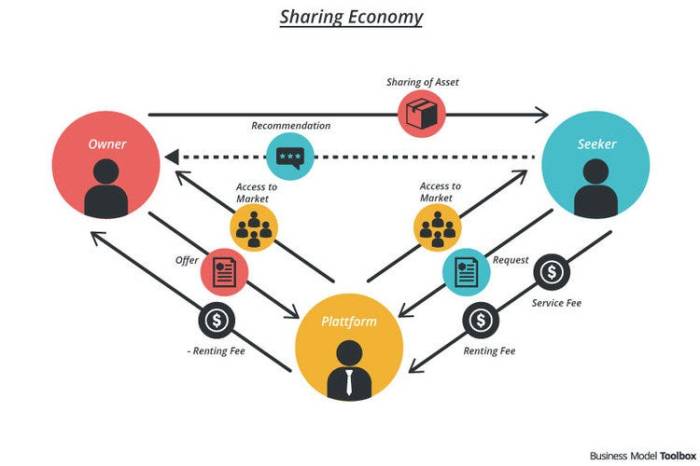
Peer-to-peer sharing in the digital economy refers to the practice of individuals sharing goods and services directly with one another through online platforms or apps, without the need for traditional intermediaries like businesses or corporations. This concept leverages technology to connect people who have resources with those who need them, creating a more efficient and cost-effective way of accessing a wide range of products and services.
Direct Exchange Between Individuals
Peer-to-peer sharing involves individuals offering their resources, such as a spare room, car, or skills, to others in exchange for payment or other benefits. This direct exchange eliminates the need for a middleman, allowing for more personalized interactions and often lower costs for both parties involved.
- Users can easily access a variety of goods and services from their peers, ranging from accommodation and transportation to freelance work and household items.
- Platforms like Airbnb, Uber, and TaskRabbit facilitate peer-to-peer sharing by connecting providers and users through user-friendly interfaces and secure payment systems.
- Participants in peer-to-peer sharing benefit from increased flexibility, convenience, and often a sense of community by engaging directly with others in need of their resources.
Difference from Traditional Business Models
Peer-to-peer sharing differs from traditional business models in that it decentralizes the exchange of goods and services, placing more control in the hands of individual users rather than large corporations. This shift in power dynamics allows for a more democratized and inclusive economy, where individuals can easily monetize their assets or skills without the need for extensive infrastructure or overhead costs.
- Traditional businesses typically involve a hierarchical structure with clear boundaries between producers and consumers, while peer-to-peer sharing blurs these lines by enabling anyone to act as both a provider and a user.
- Peer-to-peer sharing often promotes sustainability and resource efficiency by encouraging the reuse and sharing of existing assets, reducing waste and environmental impact compared to traditional consumption patterns.
- The digital nature of peer-to-peer sharing platforms enables real-time feedback, reputation systems, and transparency, fostering trust among users and ensuring quality interactions without the need for formal contracts or legal frameworks.
Impact on the Economy
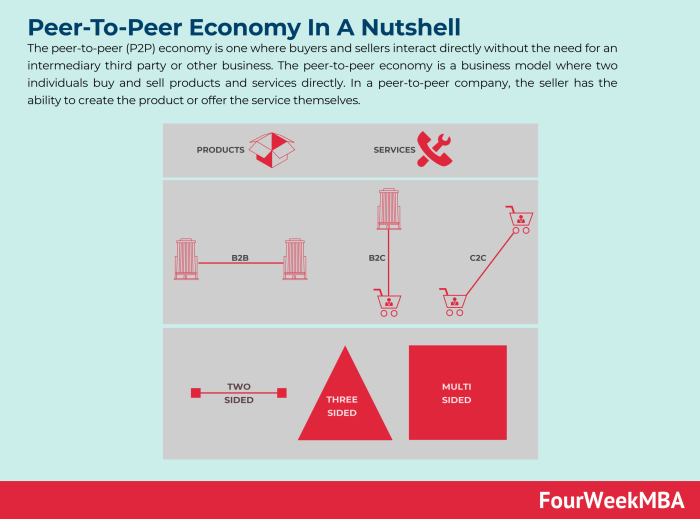
Peer-to-peer sharing has significantly impacted the economy in various ways. Let's delve into how this modern sharing model influences consumer behavior and the potential benefits and drawbacks it brings to the economy.
Economic Implications of Peer-to-peer Sharing
Peer-to-peer sharing has disrupted traditional economic models by allowing individuals to monetize their assets and services directly to consumers. This decentralized approach often leads to lower prices for consumers and increased income for providers. As a result, it can stimulate economic activity and promote a more efficient use of resources.
- Peer-to-peer sharing platforms have the potential to create new economic opportunities for individuals who may not have access to traditional employment.
- This sharing economy model can contribute to economic growth by enabling more efficient allocation of resources and reducing waste.
- However, concerns have been raised about the impact of peer-to-peer sharing on existing industries and traditional business models.
Influence on Consumer Behavior
Peer-to-peer sharing has changed the way consumers interact with goods and services. By providing access to shared resources, consumers are more inclined to opt for access over ownership. This shift in behavior can lead to reduced consumption, increased sustainability, and a focus on experiences rather than possessions.
- Consumers are embracing the convenience and affordability offered by peer-to-peer sharing platforms, leading to a rise in demand for shared services.
- Additionally, the social aspect of peer-to-peer sharing can create a sense of community and trust among users, influencing consumer preferences.
Potential Benefits and Drawbacks for the Economy
While peer-to-peer sharing brings various advantages to the economy, it also poses challenges that need to be addressed. Understanding the balance between benefits and drawbacks is crucial for policymakers and businesses navigating the evolving landscape of the sharing economy.
- Benefits:
- Increased efficiency in resource utilization.
- Job creation and income opportunities for individuals.
- Lower costs and increased affordability for consumers.
- Drawbacks:
- Disruption of traditional industries and potential job displacement.
- Regulatory challenges and concerns regarding consumer protection.
- Potential impact on tax revenues and economic stability.
Technology and Platforms
Peer-to-peer sharing has been greatly facilitated by advancements in technology, providing individuals with the means to connect and exchange resources efficiently. Various platforms have emerged to support this sharing economy, offering a wide range of services and products for users to exchange.
Role of Technology in Peer-to-peer Sharing
Technology plays a crucial role in enabling peer-to-peer sharing by providing the necessary infrastructure for individuals to connect and transact directly with one another. Through online platforms and mobile applications, users can easily list, search for, and engage in sharing activities without the need for intermediaries.
Popular Platforms for Peer-to-peer Sharing
- Airbnb: A platform for short-term accommodation rentals where individuals can rent out their homes or properties to travelers.
- Uber: A ride-sharing platform that connects passengers with drivers for on-demand transportation services.
- TaskRabbit: A service platform for outsourcing small tasks and errands to a network of freelancers.
- Poshmark: An online marketplace for buying and selling secondhand clothing and accessories.
Comparison of Technologies in Peer-to-peer Sharing Models
- Blockchain Technology: Utilized in platforms like Origin Protocol to create decentralized marketplaces, ensuring trust and security in peer-to-peer transactions.
- Mobile Applications: Offer convenience and accessibility for users to engage in sharing activities on-the-go, enhancing the user experience.
- Artificial Intelligence: Used in platforms like Turo to optimize pricing and matching algorithms, improving efficiency in peer-to-peer exchanges.
Legal and Regulatory Issues
In the rapidly evolving digital economy, peer-to-peer sharing platforms face various legal challenges and regulatory hurdles that can impact their operations and growth.
Legal Challenges Faced by Peer-to-peer Sharing Platforms
- Intellectual Property Rights: Ensuring that users do not violate copyright or trademark laws when sharing content or products on the platform.
- Taxation: Determining the tax implications of transactions on the platform and complying with tax laws in different jurisdictions.
- Data Privacy: Safeguarding user data and complying with data protection regulations to maintain trust and avoid legal consequences.
Regulations Governing Peer-to-peer Sharing
- Consumer Protection Laws: Ensuring that users are protected from scams, fraud, and unfair practices on the platform.
- Competition Law: Abiding by antitrust regulations to prevent monopolistic practices that could harm competition in the market.
- Platform Liability: Determining the liability of the platform for user-generated content and transactions, especially in cases of disputes or illegal activities.
Impact of Legal Frameworks on Peer-to-peer Sharing Growth
- Compliance Costs: Adhering to legal requirements can increase operational costs for peer-to-peer sharing platforms, affecting their profitability and sustainability.
- Innovation Constraints: Strict regulations may limit the ability of platforms to introduce new services or features due to legal restrictions.
- Market Entry Barriers: Complex legal frameworks can pose barriers to entry for new players in the peer-to-peer sharing market, reducing competition and innovation.
Last Point
In conclusion, Peer-to-peer sharing in the digital economy serves as a beacon of collaboration and innovation, reshaping the way we interact with goods and services in a connected world. By understanding the nuances of this sharing economy, we pave the way for a future where individuals can engage in direct exchanges that benefit both parties and the economy at large.
Expert Answers
What are the key differences between peer-to-peer sharing and traditional business models?
Peer-to-peer sharing involves direct exchanges between individuals, bypassing traditional intermediaries. This decentralized approach allows for more personalized interactions and often leads to cost savings for both parties.
How does technology facilitate peer-to-peer sharing?
Technology plays a crucial role in connecting individuals looking to share goods or services. Platforms leverage algorithms and user data to match supply with demand, making these exchanges seamless and efficient.
What legal challenges do peer-to-peer sharing platforms face?
Peer-to-peer sharing platforms often grapple with issues related to liability, taxation, and compliance with existing regulations. Navigating these legal hurdles is essential for the sustainable growth of the sharing economy.