Embarking on the journey of creating a revenue-sharing model for your digital startup opens up a world of possibilities and challenges. Understanding the intricacies of revenue-sharing models and identifying key stakeholders are crucial steps in paving the way for a successful venture.
Let's explore the foundations of building a revenue-sharing model that can propel your digital startup towards growth and sustainability.
Understanding Revenue-sharing Models
Revenue-sharing models in the context of digital startups involve distributing profits or revenue among different parties involved in the business based on pre-defined agreements. This can include sharing revenue with partners, affiliates, content creators, or investors.Successful revenue-sharing models used by digital startups include:
- Affiliate marketing programs where partners earn a commission for driving sales or leads to the startup's website.
- Subscription-based models where content creators receive a share of the revenue generated from subscribers.
- Revenue-sharing agreements with investors where profits are distributed based on the initial investment and agreed terms.
Revenue-sharing models are beneficial for digital startups as they allow for:
- Lower upfront costs by sharing the financial risks with partners or investors.
- Incentivizing performance as parties involved are motivated to drive revenue growth.
- Flexibility in scaling the business as revenue-sharing agreements can be adjusted based on the startup's growth and performance.
Benefits of Revenue-sharing Models
- Lower financial risks for startups
- Incentivize partners and investors for better performance
- Flexibility to adjust agreements based on business growth
Identifying Key Stakeholders
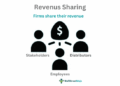
When building a revenue-sharing model for a digital startup, it is crucial to identify the key stakeholders involved in the process. Each stakeholder plays a vital role in the success of the model and has specific responsibilities that contribute to its effectiveness.
Key Stakeholders and Their Roles
- Founders/Owners:These individuals are responsible for establishing the startup and creating the revenue-sharing model. They hold the ultimate decision-making power and are accountable for the overall success of the business.
- Investors:Investors provide the necessary funding for the startup and are key stakeholders in the revenue-sharing model. They expect returns on their investment and play a crucial role in shaping the financial structure of the model.
- Employees/Team Members:The employees and team members of the startup are essential stakeholders as they are directly involved in executing the operations Artikeld in the revenue-sharing model. Their performance and dedication significantly impact the revenue generated.
- Clients/Customers:Clients or customers are also important stakeholders, as they are the ones who generate revenue for the startup through their purchases or subscriptions. Understanding their needs and preferences is crucial for the success of the revenue-sharing model.
Effective Communication with Stakeholders
Ensuring effective communication with stakeholders is vital for the success of a revenue-sharing model. Here are some strategies to facilitate clear and transparent communication:
- Hold regular meetings or updates to keep all stakeholders informed about the progress of the startup and the revenue-sharing model.
- Be transparent about financial information and revenue distribution to build trust among stakeholders.
- Listen to feedback and address any concerns or suggestions raised by stakeholders to foster a collaborative environment.
- Utilize communication tools such as emails, messaging apps, or project management platforms to ensure timely and efficient communication.
Determining Revenue Allocation
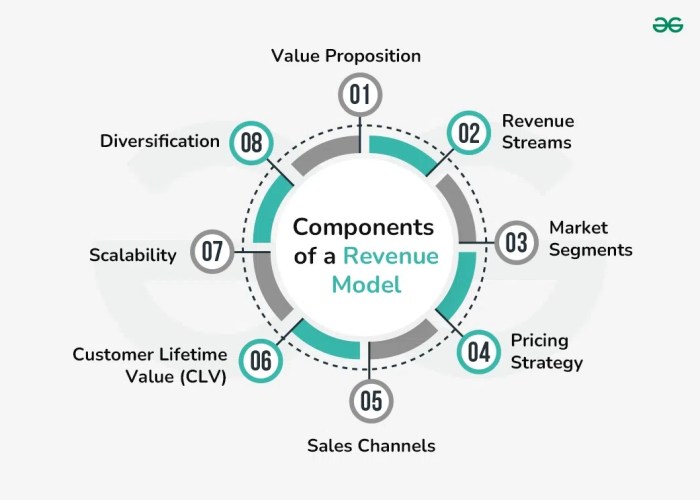
Determining how revenue will be allocated among stakeholders is a crucial aspect of any revenue-sharing model. It involves setting clear guidelines to ensure fairness and transparency in distributing profits generated by the digital startup.
Strategies for Fair and Transparent Revenue Allocation
- Establish clear criteria: Define specific metrics or factors that will be used to determine each stakeholder's share of the revenue. This could include factors such as the level of contribution, the type of involvement, or the risks taken by each party.
- Regular communication: Maintain open and transparent communication with all stakeholders regarding revenue allocation methods and results. This helps build trust and ensures everyone is on the same page.
- Use technology: Implement digital tools or platforms to automate the revenue allocation process. This reduces the likelihood of errors or disputes and streamlines the distribution of profits.
- Consider feedback: Collect feedback from stakeholders on the revenue-sharing model and make adjustments as needed to address any concerns or improve the overall fairness of the allocation process.
Importance of Setting Clear Guidelines for Revenue Distribution
Setting clear guidelines for revenue distribution is essential to avoid misunderstandings and conflicts among stakeholders. It helps establish a sense of fairness and accountability within the digital startup ecosystem. Clear guidelines also provide a framework for decision-making and ensure that all parties are aware of how revenue will be allocated, promoting transparency and trust in the revenue-sharing model.
Creating a Legal Framework
When building a revenue-sharing model for a digital startup, it is crucial to consider the legal aspects involved to protect the interests of all parties involved.
Importance of a Formal Agreement
A formal agreement outlining the terms of the revenue-sharing model is essential to establish clear expectations and prevent misunderstandings in the future.
- Clearly define the revenue-sharing percentages allocated to each stakeholder.
- Include provisions for dispute resolution mechanisms in case conflicts arise.
- Specify the duration of the revenue-sharing arrangement and conditions for renewal or termination.
- Address confidentiality and intellectual property rights to protect sensitive information.
Examples of Clauses to Include
When drafting the legal framework for a revenue-sharing model, consider including the following clauses:
- Payment Terms:Artikel the frequency and method of revenue distribution to stakeholders.
- Performance Metrics:Define the key performance indicators (KPIs) used to measure revenue generation and distribution.
- Non-compete Clause:Prevent stakeholders from engaging in activities that may compete with the digital startup's revenue streams.
- Indemnification:Specify the responsibilities of each party in case of legal claims or liabilities related to the revenue-sharing model.
Implementing Revenue-tracking Mechanisms
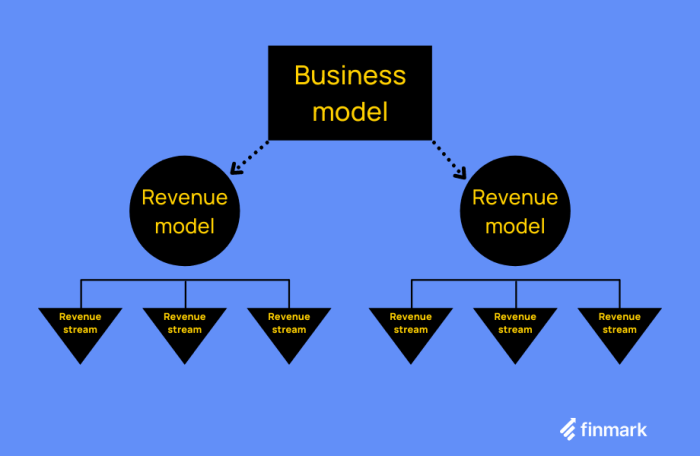
Implementing effective revenue-tracking mechanisms is crucial for the success of a digital startup. By accurately monitoring revenue streams, businesses can make informed decisions and optimize their financial performance.
Tools and Technologies for Revenue Tracking
- Accounting Software: Platforms like QuickBooks or Xero can help track revenue, expenses, and profits.
- Customer Relationship Management (CRM) Systems: CRM systems like Salesforce can provide insights into customer transactions and revenue generation.
- Analytics Tools: Google Analytics or Mixpanel can track online sales, conversions, and revenue sources.
Importance of Real-time Revenue Tracking
Real-time revenue tracking allows businesses to react promptly to changing market conditions. By monitoring revenue streams as they occur, startups can make quick adjustments to pricing, marketing strategies, and product offerings.
Integration of Revenue-tracking Mechanisms
- API Integration: Revenue-tracking tools can be integrated with existing systems through API connections, allowing for seamless data transfer.
- Custom Dashboards: Develop custom dashboards that display real-time revenue data from different sources, providing a comprehensive overview of financial performance.
- Automated Alerts: Set up automated alerts for revenue milestones or anomalies to ensure timely action and decision-making.
Final Thoughts
In conclusion, crafting a revenue-sharing model for your digital startup involves a delicate balance of understanding, communication, and legal framework. By carefully considering the allocation of revenue and implementing robust tracking mechanisms, you can set the stage for a flourishing business ecosystem.
Embrace the opportunities that revenue-sharing models offer and watch your digital startup thrive in the competitive landscape.
Clarifying Questions
How can I ensure fair revenue allocation among stakeholders?
One way to ensure fair revenue allocation is by setting clear guidelines and involving stakeholders in the decision-making process to promote transparency and equity.
What tools can I use for real-time revenue tracking in my digital startup?
Popular tools for real-time revenue tracking include Google Analytics, Mixpanel, and Kissmetrics, which offer valuable insights into revenue streams and user behavior.
Why is it important to have a formal legal agreement for a revenue-sharing model?
A formal legal agreement helps protect the interests of all stakeholders involved, clarifies rights and responsibilities, and provides a framework for resolving disputes in the future.