Exploring the dynamic landscape of data sharing and its crucial role in propelling the growth of the digital economy, this introduction sets the stage for a deep dive into the interconnected world of information exchange.
As we navigate through the realms of data sharing practices, challenges, and technologies, we uncover the transformative impact of sharing data in driving innovation and fostering collaboration across industries.
Importance of Data Sharing in the Digital Economy
Data sharing plays a crucial role in driving growth in the digital economy. By allowing businesses and economies to access and exchange valuable information, data sharing enables innovation, decision-making, and efficiency in various sectors.
Data as a Valuable Asset
Data is often referred to as the "new oil" in the digital economy due to its immense value in driving business success. Businesses can leverage data to gain insights into consumer behavior, market trends, and operational efficiency. By sharing data with partners, suppliers, or even competitors (in certain cases), organizations can unlock new opportunities for collaboration and growth.
- Enhanced Decision-Making: Access to a wide range of data sources enables businesses to make informed decisions based on real-time information and trends.
- Improved Customer Experience: By sharing data, businesses can personalize their products and services to meet the specific needs and preferences of their customers.
- Accelerated Innovation: Data sharing fosters collaboration among different entities, leading to the development of new products, services, and business models.
- Efficient Resource Allocation: Data sharing helps businesses optimize their resources, streamline operations, and improve overall productivity.
Data Sharing Practices and Strategies

Effective data sharing practices and strategies are crucial for businesses to thrive in the digital economy. By sharing data strategically, businesses can unlock new opportunities, improve decision-making processes, and enhance customer experiences.
Common Data Sharing Practices Among Businesses
Businesses employ various data sharing practices to collaborate with partners, gain insights, and drive innovation. Some common data sharing practices include:
- Sharing anonymized data with third-party vendors to improve product recommendations and enhance personalization.
- Collaborating with industry peers to benchmark performance metrics and identify trends in the market.
- Participating in data sharing consortia to access a broader dataset for research and analysis.
Examples of Successful Data Sharing Strategies
Successful businesses have implemented innovative data sharing strategies to stay competitive and fuel growth. Some examples of successful data sharing strategies include:
- Open Data Initiatives:Governments and organizations sharing data openly to foster transparency and spur innovation in various sectors.
- Data Monetization:Companies leveraging their data assets to create new revenue streams through partnerships and data licensing agreements.
- Data Collaboration Platforms:Establishing secure platforms for data sharing among partners to facilitate real-time collaboration and insights.
Comparing Different Approaches to Data Sharing in the Digital Economy
Businesses can adopt different approaches to data sharing based on their goals, industry regulations, and data privacy concerns. Some common approaches to data sharing in the digital economy include:
- Centralized Data Sharing:Organizations centralize data in a secure repository and control access rights to ensure compliance with regulations.
- Decentralized Data Sharing:Peer-to-peer data sharing networks allow direct exchange of data between parties without intermediaries.
- Federated Data Sharing:Collaborative data sharing models where organizations retain control over their data while allowing access to selected partners for specific purposes.
Challenges and Risks of Data Sharing
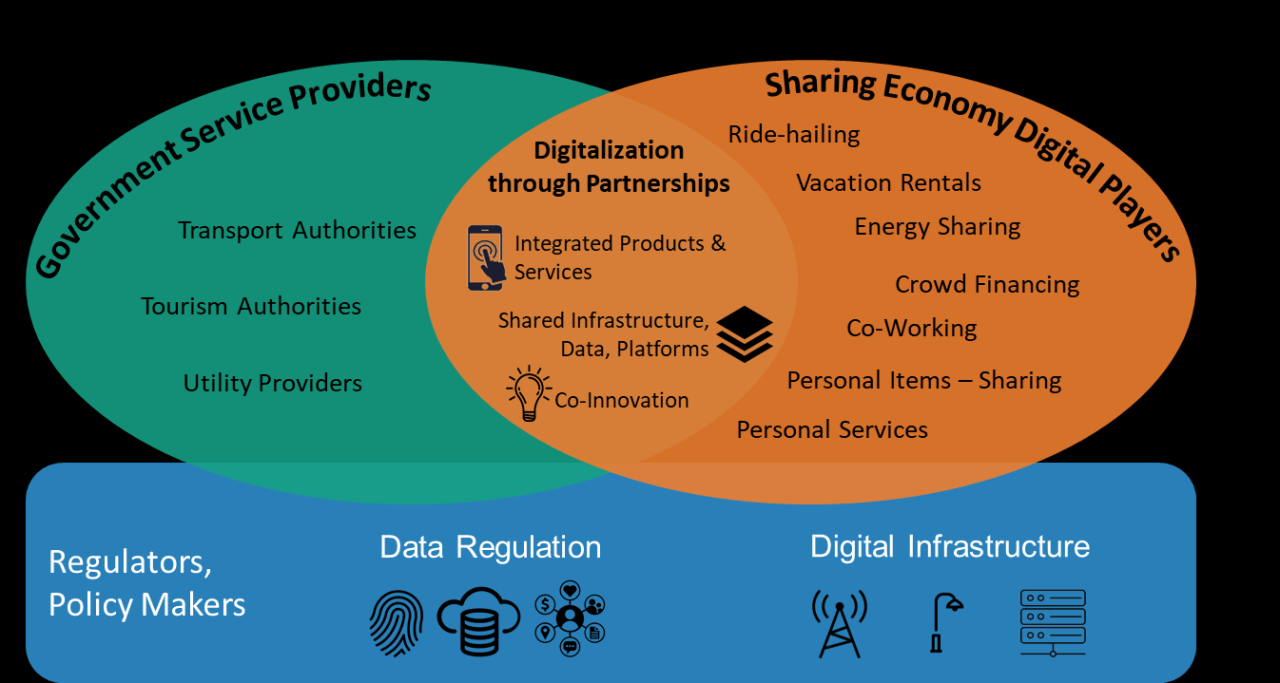
Sharing data in the digital economy comes with its fair share of challenges and risks that organizations need to navigate carefully
Additionally, there are potential risks associated with data sharing practices, such as data leaks, security breaches, and unauthorized access to confidential information. Moreover, regulatory challenges in data sharing and compliance add another layer of complexity for businesses operating in the digital landscape.
Privacy Concerns in Data Sharing
- Personal information exposure
- Data breaches and unauthorized access
- Misuse of sensitive data
Potential Risks of Data Sharing
- Data leaks and security breaches
- Loss of intellectual property
- Reputational damage
Regulatory Challenges in Data Sharing
- Data protection laws compliance
- Cross-border data transfer regulations
- Ensuring data security and privacy
Data Sharing Technologies and Tools
Data sharing technologies and tools play a crucial role in enabling secure and efficient sharing of data in the digital economy. Let's explore some of the emerging technologies that are shaping the landscape of data sharing.
Role of Blockchain in Secure Data Sharing
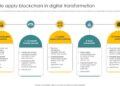
Blockchain technology has emerged as a game-changer in ensuring secure data sharing. By creating a decentralized and tamper-proof ledger, blockchain enables trusted transactions without the need for intermediaries. This technology ensures data integrity and authenticity, making it ideal for sharing sensitive information across networks securely.
Contribution of AI and Machine Learning in Data Sharing
Artificial Intelligence (AI) and machine learning are revolutionizing data sharing processes by automating insights and decision-making. These technologies analyze vast amounts of data to identify patterns, trends, and correlations, facilitating more informed data sharing practices. AI-powered tools can enhance data security, optimize data management, and improve collaboration among stakeholders in the digital economy.
Impact of Data Sharing on Innovation and Collaboration
Data sharing plays a crucial role in driving innovation and fostering collaboration across industries. By sharing valuable insights and information, organizations can unlock new opportunities for creativity and partnership, ultimately leading to groundbreaking advancements and enhanced productivity.
Fostering Innovation
Data sharing enables organizations to access a wealth of information and insights that can spark innovative ideas and solutions. By leveraging data from various sources, companies can identify trends, patterns, and opportunities that may have otherwise gone unnoticed. This, in turn, fuels the development of new products, services, and processes that drive industry-wide innovation.
- Collaborative research projects that combine data from multiple organizations to uncover new scientific discoveries and breakthroughs.
- Crowdsourcing initiatives that utilize shared data to gather insights from a diverse group of individuals, leading to innovative solutions to complex problems.
- Open data platforms that provide access to valuable information for entrepreneurs and developers to create innovative applications and services.
Enhancing Collaboration
Data sharing also facilitates collaboration between organizations by providing a common foundation of information for teams to work together effectively. Shared data enables partners to align their goals, streamline processes, and drive collective impact in a way that benefits all parties involved.
- Industry consortiums that pool data resources to address common challenges and drive collective innovation within a specific sector.
- Cross-sector partnerships that leverage shared data to create synergies between different industries and drive transformative solutions to complex problems.
- Data exchange platforms that enable organizations to securely share information and collaborate on joint projects without compromising data privacy or security.
Conclusion
In conclusion, the intricate web of data sharing emerges as a catalyst for economic progress and technological advancement, shaping the future of digital ecosystems with its far-reaching implications.
FAQ Explained
How can data sharing benefit businesses in the digital economy?
Data sharing enables businesses to gain valuable insights, improve decision-making processes, enhance customer experiences, and drive innovation through collaborative efforts.
What are some common risks associated with data sharing?
Privacy concerns, data breaches, security vulnerabilities, and regulatory compliance issues are some of the risks that businesses face when sharing data in the digital economy.
How does blockchain contribute to secure data sharing?
Blockchain technology ensures secure and transparent data sharing by creating an immutable ledger that validates transactions and prevents unauthorized tampering with shared information.